
Interactive and Inspiring Science Museums in Europe

European science museums are more than collections of exhibits; they are places where imagination sparks, curiosity deepens and visitors of all ages come face-to-face with the wonders of the universe. Across the continent, science is presented as a story — a story of invention, discovery, challenge, and possibility. From towering observatories to hands-on physics labs and digital innovation centres, these museums reveal how humans have tried to understand the world and shape it for the better.
What makes Europe particularly special is the diversity of its scientific heritage. Ancient civilisations, Enlightenment thinkers, industrial innovators, and modern researchers have all contributed to a landscape of knowledge that spans centuries. Today, their legacies live on through immersive galleries, planetariums, interactive workshops. and world-class institutions that invite visitors to learn by doing, touching and experimenting.
Whether you’re interested in space travel, marine biology, robotics, chemistry or the mysteries of the human brain, Europe’s science museums offer something enlightening for everyone.
>> MUST READ:
Your complete guide to the Schengen area in 2026
>> Read next:
♦ Your guide to the cheapest European countries to visit
♦ Or how about the cheapest Greek islands to explore
♦ Which country in Europe has the best flag?
♦ Here are the best destinations to visit in Spain
♦ 100 best travelling songs to add to your playlist
♦ Save these fun travel questions for the journey
Ok, let’s get into it…
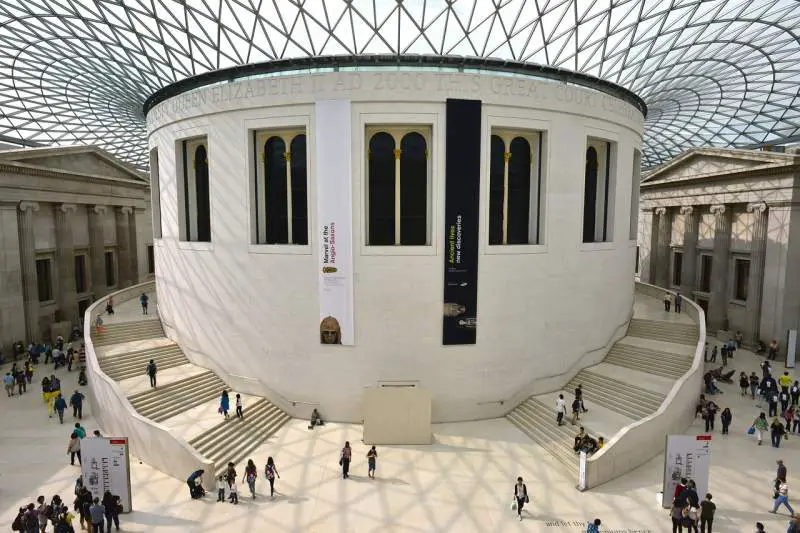
London:
Where Curiosity Shapes the Future
London is one of the best places in the world to begin a science-themed journey. The Science Museum in South Kensington remains an essential stop for students, families and travellers with a fascination for innovation. Its vast collections cover everything from early steam engines to cutting-edge medical technology. The Wonderlab: The Equinor Gallery—an experimental space filled with live demonstrations—brings chemistry, physics and mathematics to life through spectacular hands-on shows.
Nearby, the Natural History Museum blends scientific discovery with architectural splendour. Walking under the great blue whale in Hintze Hall or exploring the Earth Hall’s volcanic and seismic zones creates a powerful reminder of our planet’s beauty and fragility. Together, these museums offer a perfect introduction to Europe’s scientific imagination.
Travellers heading north to explore Scotland’s scientific and engineering heritage often journey aboard the London to Edinburgh train, a comfortable and scenic route connecting two major research and cultural hubs.

Edinburgh:
Science with a Sense of Storytelling
The science scene in Edinburgh thrives on creativity. The city is home to Dynamic Earth, an immersive museum that transports visitors through geological time—starting with the Big Bang and moving through millions of years of planetary evolution. Its 360° show dome, interactive simulations and earthquake rooms provide an engaging introduction to Earth sciences.
For those more intrigued by astronomy and physics, the Royal Observatory Edinburgh offers public nights and educational programmes that highlight Scotland’s long-standing research excellence. Meanwhile, the National Museum of Scotland wows visitors with galleries dedicated to space, engineering and world technology, linking global scientific achievements with local innovators.
Edinburgh’s compact size makes exploration easy. From museum halls to university buildings, the city radiates a spirit of inquiry that feels both historical and contemporary.

Paris:
Art, Science, and Imagination Intersect
Paris bridges the gap between creativity and scientific inquiry. The Cité des Sciences et de l’Industrie, located in the Parc de la Villette, is one of Europe’s largest science museums. Inside, visitors can experiment with physics, explore interactive maths exhibits, learn about climate change and even visit a full-scale submarine docked outside the museum.
The Palais de la Découverte remains a beloved classic, with demonstrations led by passionate scientists who transform complex concepts into understandable experiences. In this sense, Parisian science museums excel not only at presenting information but at turning it into narratives.
Beyond the museums themselves, Paris celebrates scientific achievement in its architecture, art studios and academies, fostering a cultural environment where discovery is part of everyday life.
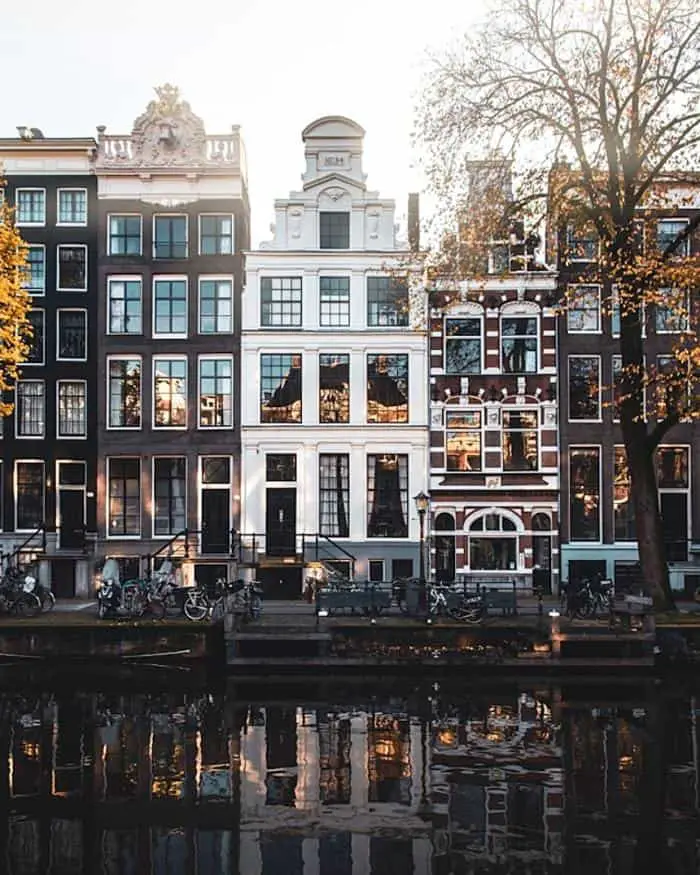
Amsterdam:
The Playful Side of Science
Amsterdam is home to NEMO Science Museum, a giant copper-green structure rising above the city’s maritime district like a futuristic ship. NEMO is all about interaction — building bridges, watching chain reactions unfold, testing energy circuits and learning about human senses. Its rooftop terrace, offering panoramic views over the city, doubles as an outdoor science park.
The city also blends technology and art in unexpected ways. The ARTIS-Micropia Museum, for example, explores a normally invisible world—microorganisms—through interactive microscopes and living cultures. The museum transforms science that is often abstract into something vivid, tactile and fascinating.
Amsterdam’s strong cycling culture and eco-driven city planning also create an environment where visitors can engage with real-world examples of sustainability and engineering in action.
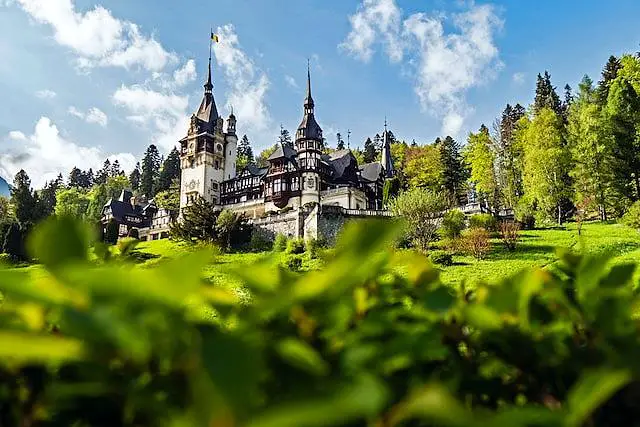
Berlin:
Innovation Shaped by History
Germany’s capital is a powerhouse of scientific storytelling. The Deutsches Technikmuseum introduces visitors to aviation, rail, maritime travel and industrial technology through immense galleries filled with restored machines. Here, science is not just theoretical; it is mechanical, tangible and tied to Germany’s engineering legacy.
Meanwhile, the Museum für Naturkunde houses one of the world’s largest dinosaur skeletons and impresses with fascinating zoological and geological collections. Its research departments also contribute to cutting-edge climate studies and biodiversity monitoring.
Berlin embraces scientific curiosity at street level as well, with countless workshops, galleries and maker spaces encouraging experimentation and creativity.

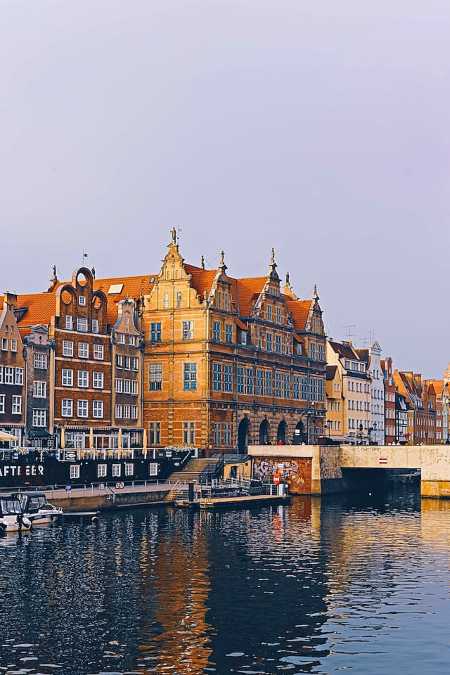
Krakow:
A Portal into Earth’s Depths
Krakow, known for its medieval charm and artistic flair, is also home to some captivating science experiences. The Stanislaw Lem Garden of Experiences blends physics with play through giant outdoor interactive installations demonstrating laws of motion, sound, optics and magnetism.
Additionally, the Wieliczka Salt Mine, a UNESCO site just outside the city, reveals geological science through subterranean chambers and salt-carved sculptures. Guided tours highlight the physics, engineering and hydrogeology behind this centuries-old mining system.
Many travellers continue through Poland aboard Krakow to Warsaw trains, which offer a smooth and efficient way to explore the country’s growing scientific and cultural scenes.
Warsaw:
Science in a Modern Metropolis
Warsaw’s Copernicus Science Centre is one of Europe’s most impressive interactive museums. With over 400 hands-on exhibits, robotic theatre performances and a state-of-the-art planetarium, it unlocks scientific concepts through experimentation rather than observation. Families, students and adults alike find themselves absorbed for hours, building bridges, manipulating sound waves or testing principles of biology.
The museum’s riverfront location enhances the experience; walking along the Vistula Boulevard before or after a visit provides a refreshing contrast between scientific worlds and the city’s contemporary social scene.
Warsaw is also home to research institutions and cultural centres that highlight Poland’s important role in mathematics, physics and aerospace development.
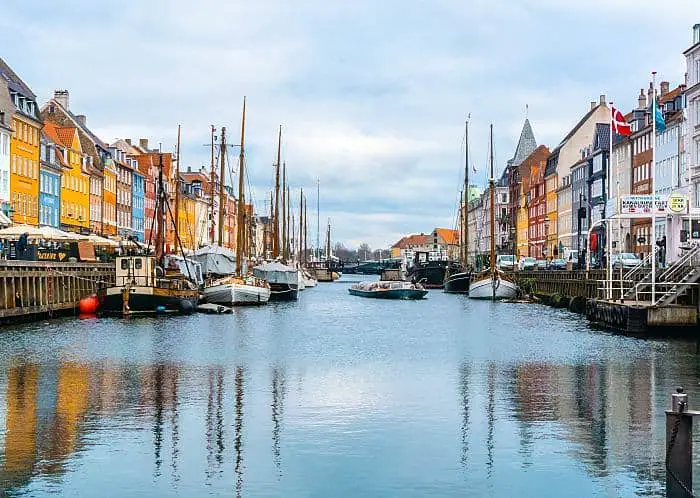
Copenhagen:
Sustainability and Science Combined
Copenhagen’s science experiences focus heavily on sustainability, climate and the future. The Experimentarium is beloved for its energetic exhibits, water playgrounds and interactive labs where children and adults experiment with forces, light, chemistry and movement.
The city itself is a living laboratory of green design, clean transport and renewable energy. Guided tours often highlight Copenhagen’s eco-architecture, wind farms and circular-waste systems — proving that environmental science can shape an entire urban lifestyle.

Geneva:
At the Frontier of Human Knowledge
For travellers with a passion for physics and cosmology, Geneva is an essential stop. Home to CERN, the world’s largest particle physics laboratory, the city introduces visitors to experiments that explore the fundamental nature of reality. The Globe of Science and Innovation welcomes the public with exhibitions on antimatter, dark matter and the origins of the universe.
Geneva’s museums and lakeside setting create a peaceful balance with the intensity of its scientific purpose, reminding visitors that even the most serious research exists alongside natural beauty.


Barcelona:
Marine Science and Mediterranean Discovery
Barcelona offers an entirely different scientific perspective through marine biology and oceanography. The Barcelona Aquarium features Mediterranean ecosystems, shark tunnels and conservation projects that highlight the delicate balance of marine life.
The city also celebrates urban innovation, sustainable design and digital arts through various exhibitions and public spaces, blending creativity with scientific inquiry.
Why Europe’s Science Museums Matter
Science museums do more than display facts — they shape perspectives. They inspire young minds, give adults a sense of possibility and bring communities together through curiosity. In a world increasingly shaped by technology, climate change and global scientific collaboration, these institutions help visitors understand where humanity has been and where it might go next.
Every museum mentioned here offers something unique: a new question to ponder, a forgotten invention to rediscover or an interactive moment that shifts your thinking.
Final Thoughts
Exploring Europe’s science museums is a journey through centuries of knowledge and innovation. From London’s historic galleries to Warsaw’s modern labs, from Amsterdam’s playful exhibits to Geneva’s groundbreaking research, each city reveals a different chapter in the continent’s scientific story.
Whether you’re travelling for inspiration, education or pure enjoyment, Europe’s science museums offer an experience that stays with you — curiosity awakened, perspective widened, and imagination refreshed.



 New Here?