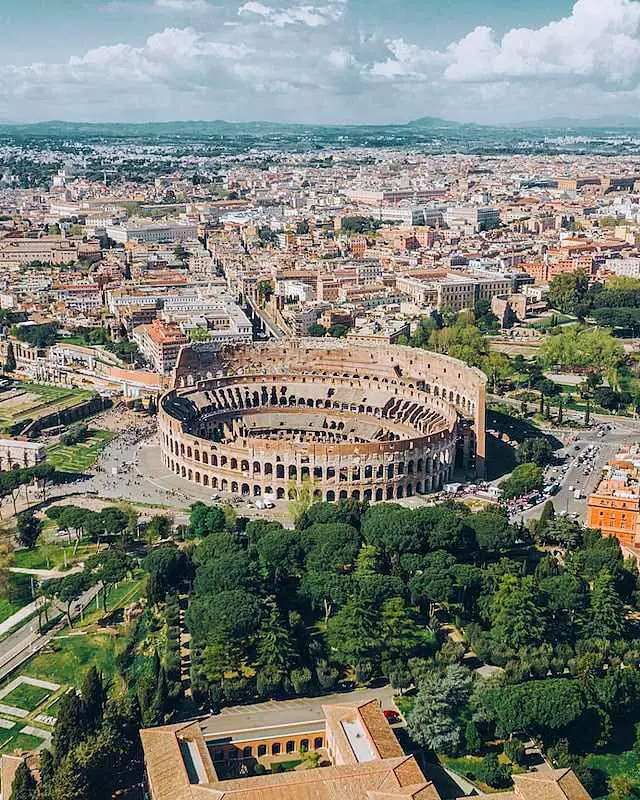
From the Colosseum to Costa Smeralda: A Journey Through History and Sea
Rome and the Tyrrhenian coast have always shared an intimate conversation between stone and sea, where ancient monuments keep watch over waves that have carried empires and fishermen alike.
Between the Colosseum and the turquoise coves of the north-eastern islands lies a narrative of movement — of legionaries, traders, holidaymakers, and modern travellers seeking a land of contrasts.
Let’s traces a route that ties the grandeur of Rome to the glittering shores beyond, offering you a practical insights and cultural snapshots for an unforgettable itinerary through Italy and one of the best things you can do in this amazing country.
>> Related reading:
From Colosseum to Coast
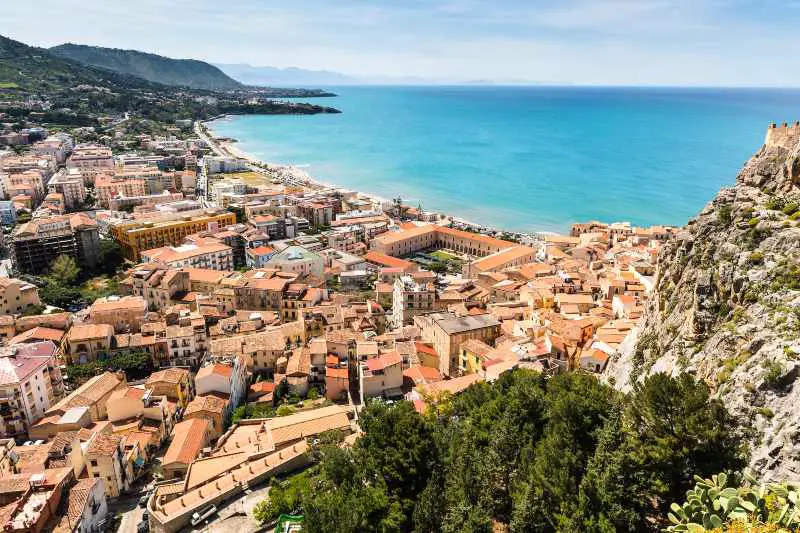
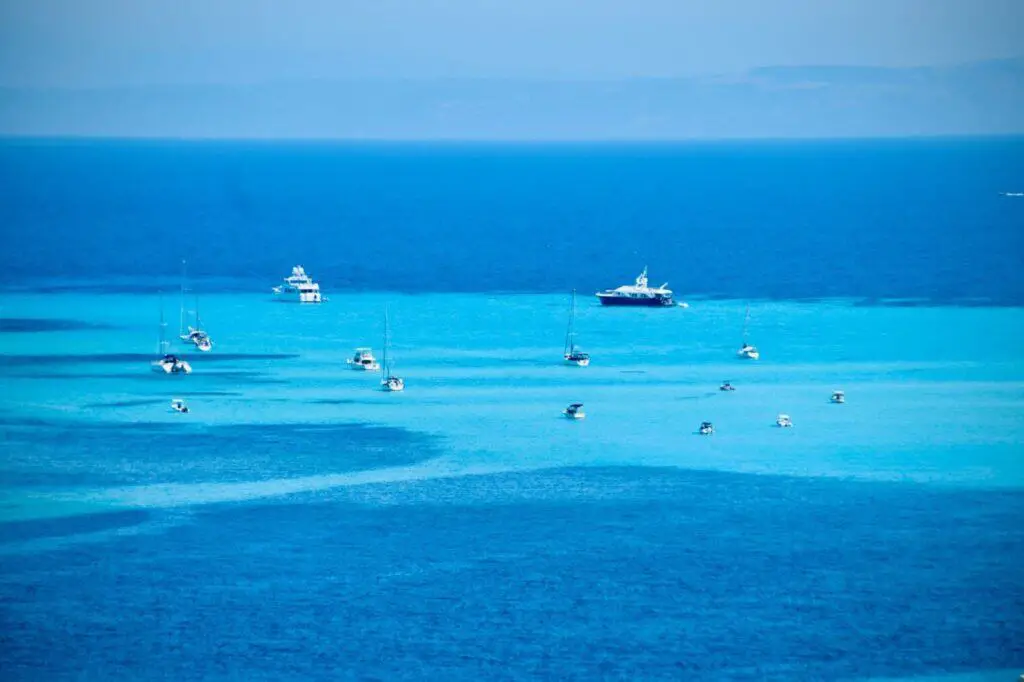
Situated in the Gallura region of Sardinia, the Costa Smeralda offers 20 km of spectacular waters alongside white sand beaches and luxury resorts. This top destination in the Mediterranean is home to Spiaggia Capriccioli, a postcard worthy peninsula with lush green maquis and olive trees. It is also where you will find Porto Cervo, a symbol of the region’s glamour with its resorts, boutiques and luxury yachts.
For those beginning in the capital Rome, the rail network remains indispensable.
High-speed services enable efficient city-to-city hops, while regional lines open access to lesser-known coastal towns. A popular route sees travellers using trains from Rome to Naples before boarding ferries northward, a sequence that blends speed and maritime charm.
Timetables vary by season, so it pays to check services in advance, particularly during summer when demand peaks and schedules are intensified.
Across the Sea: Routes and Options
Turning to the sea, the Mediterranean offers an alternative rhythm, where every channel and strait promises a change of light and landscape.
Many operators advertise trips to Sardinia departing from multiple mainland ports, catering for family holidays, active sailing expeditions and short cultural stopovers.
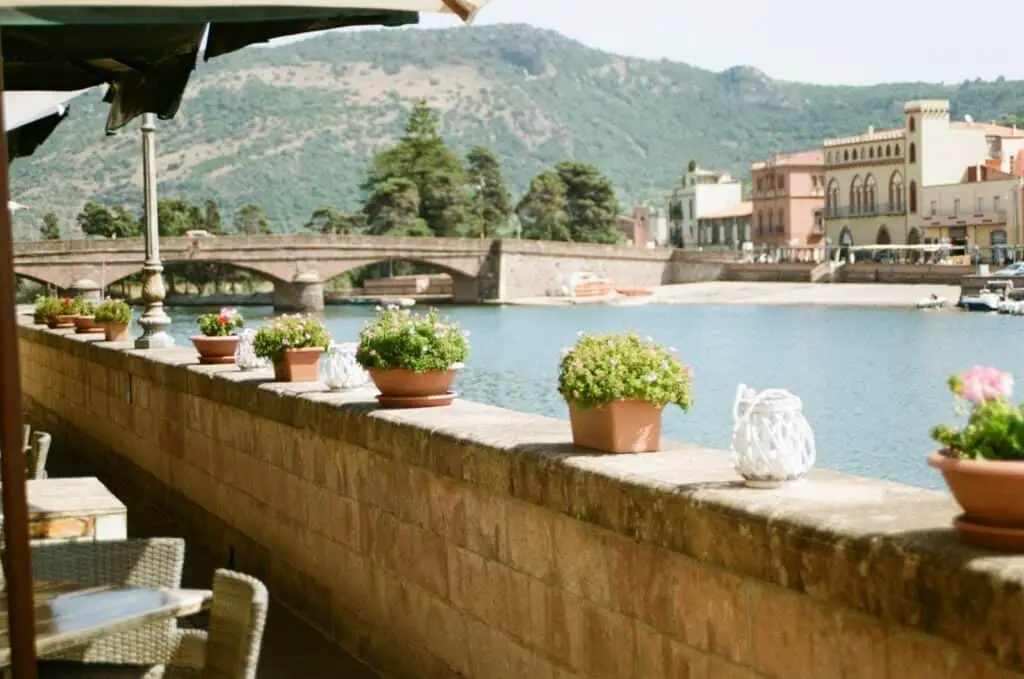
The island itself rewards visitors with an arresting mix of ancient nuraghi, rugged hinterlands, and the celebrated beaches of the Costa Smeralda, where luxury marinas sit alongside small coastal villages.
Island Highlights and Heritage
Sardinia’s prehistoric sites, village traditions and hidden coves make it a destination of deep contrasts.
Museums and archaeological parks illuminate the island’s distinct chronology, while small fishing communities preserve maritime skills and local cookery.
Beyond the headline bays, inland trails reveal limestone formations and pastoral landscapes that have shaped island life for centuries.
Cultural Continuity
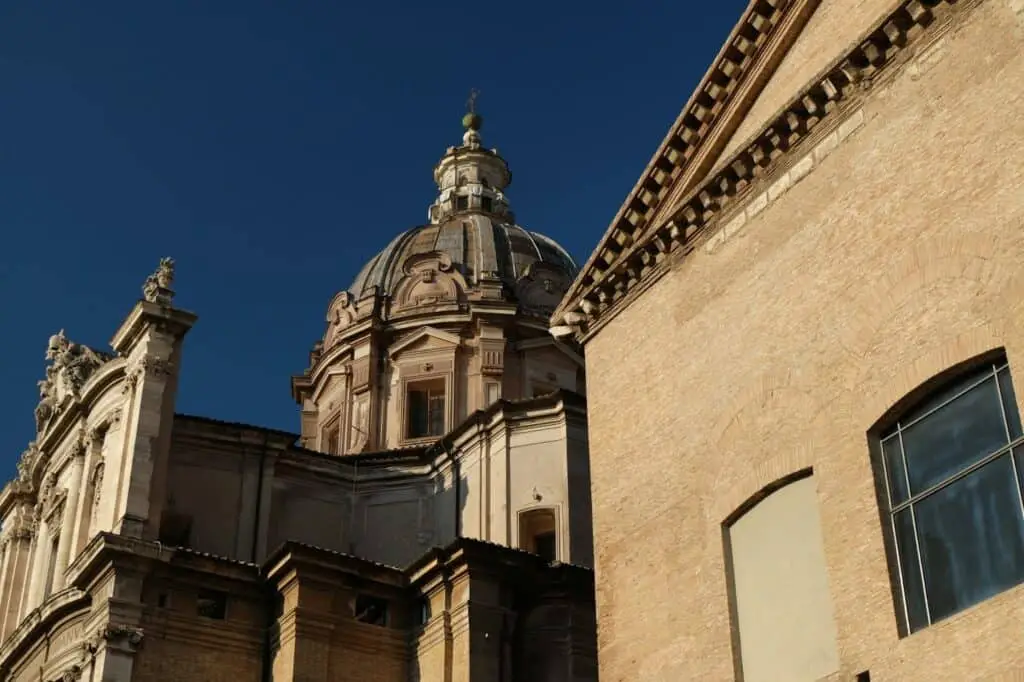
Travellers can sample a continuous heritage that moves from imperial forums and baroque piazzas to medieval hill towns and seafaring traditions.
Museums in Rome contextualise artefacts from maritime trade routes, and island museums provide complementary narratives about local societies and long-standing artisanal crafts. Festivals, from saint’s day processions to regattas, punctuate the year and offer windows into communal memory.
Practical Planning Tips
Practical planning includes booking cross-sea cabins in advance, packing adaptable footwear for mixed terrain, and allowing flexible time for spontaneous detours that often yield the most memorable encounters.
Environmental concerns increasingly shape itineraries: choosing lower-emission ferries, travelling off-peak and supporting locally run guesthouses all help preserve fragile coastal ecosystems. Insurance that covers sea transfers is advisable, particularly for those embarking on multi-leg itineraries involving private charters or unpredictable weather windows.
Seasonality and Sustainability
Seasonality matters: spring and early autumn combine mild weather with thinner crowds, while July and August bring an intense summer economy that transforms islands into bustling leisure hubs.
Visitors seeking tranquillity should favour shoulder seasons, when prices fall and cultural programming often becomes more accessible. Policy makers face the challenge of balancing infrastructure investment with conservation priorities to ensure long-term resilience for both communities and habitats.
Food, Markets and Local Producers
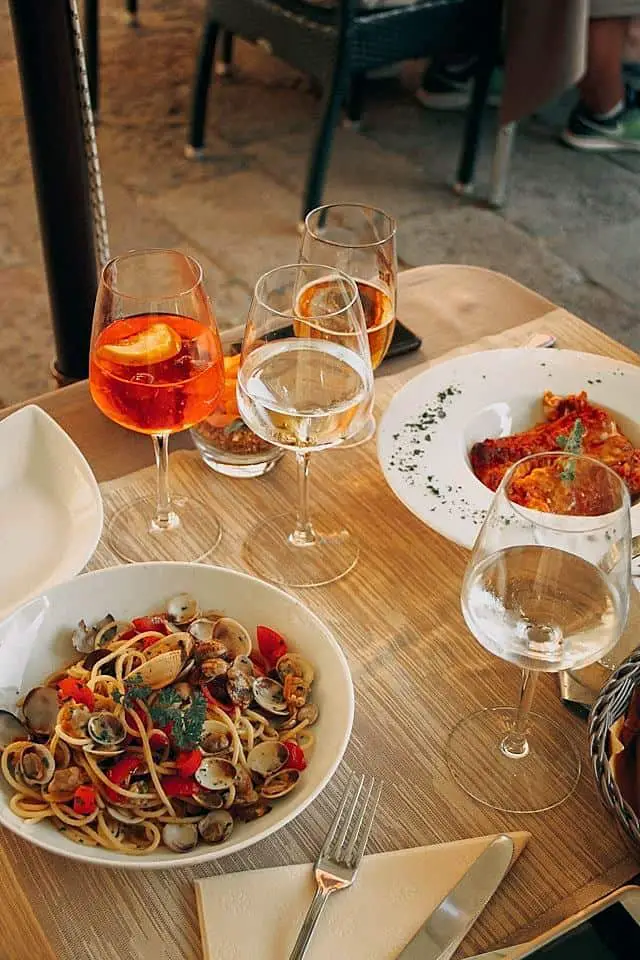
Culinary encounters form an integral strand of any route. From Roman trattorie serving long-simmered ragù to island kitchens turning out fregola with clams, food maps the meeting of land and sea.
Local markets are excellent spaces to meet producers, taste seasonal cheeses and observe traditional fishing gear, all of which deepen understanding of regional rhythms. Dining with local families or in family-run osterie often yields the most authentic flavours.
Photography and Conservation
Photographers and writers alike find endless inspiration in the chiaroscuro of alleys and the crystalline sea; however, respectful framing and consent when photographing residents should be standard practice.
Conservation groups recommend simple steps such as avoiding single-use plastics, keeping to marked paths and supporting marine protected areas through donations or volunteerism. These small acts help safeguard the places that make the journey unforgettable.
Ferries, Charters and On-the-Water Experiences
Ferry experiences range from no-frills car-carriers to elegant overnight vessels with private cabins and dining salons; each offers distinct rhythms and price points that influence the overall journey.
Charter options attract those seeking secluded coves inaccessible to larger vessels, while scheduled services are often preferable for predictable connections and lower costs. Harbourmasters and local skippers can advise on currents, sheltered anchorages and the best times for island-hopping.
Events, Serendipity and Local Guides
Timing a visit to coincide with a local festival can transform perception; island regattas, harvest fairs and religious processions each offer intimate access to communal life.
Advance research will reveal whether events cater primarily to locals or welcome international guests, which helps shape respectful behaviour and expectations. I would recommend collaborating with local guides and historians to ensure accuracy and respect for intangible heritage, while photographers should prioritise consent and equitable credit for those photographed.
Looking Ahead: Evolving Routes and Traveller Expectations
As transport networks modernise and regional collaborations expand, the journey between mainland capitals and Mediterranean islands is becoming increasingly fluid.
New ferry technologies, improved harbour facilities and integrated ticketing systems are helping to streamline itineraries that once required complex planning. Travellers can expect greater emphasis on multimodal routes, where trains, buses and sea crossings are thoughtfully coordinated to minimise waiting times and environmental impact.
This evolution reflects a broader shift in traveller expectations — a desire for seamless, responsible movement that still leaves space for surprise.
The Enduring Appeal of Sea and City
Ultimately, the allure of this itinerary lies in its contrasts: Rome’s monumental stonework set against Sardinia’s luminous horizons, the echo of ancient forums answered by the hush of secluded coves.
Whether visitors come seeking cultural depth, restorative nature or the simple pleasure of watching a harbour wake at dawn, the region offers lasting impressions shaped by both history and tide.
Those who return often speak of an unbroken thread linking every stage of the journey — a sense that the story begun between the Colosseum and the Tyrrhenian Sea continues long after the voyage ends.
Final Recommendations
Between Rome’s monumental past and the sea-swept allure of islands like Sardinia lies a travel experience that rewards curiosity, patience, and the willingness to blend modes of transport.
If you’re planning your own voyage, consider scheduling time for unhurried exploration, checking seasonal timetables and supporting community-led initiatives that keep coastal cultures alive. Araioflight recommends consulting official schedules and local knowledge before departure, and encourages readers to share discoveries that celebrate place and people. Travel responsibly.

 New Here?